ISS's finest hour: Supporting international students and scholars through visa turmoil
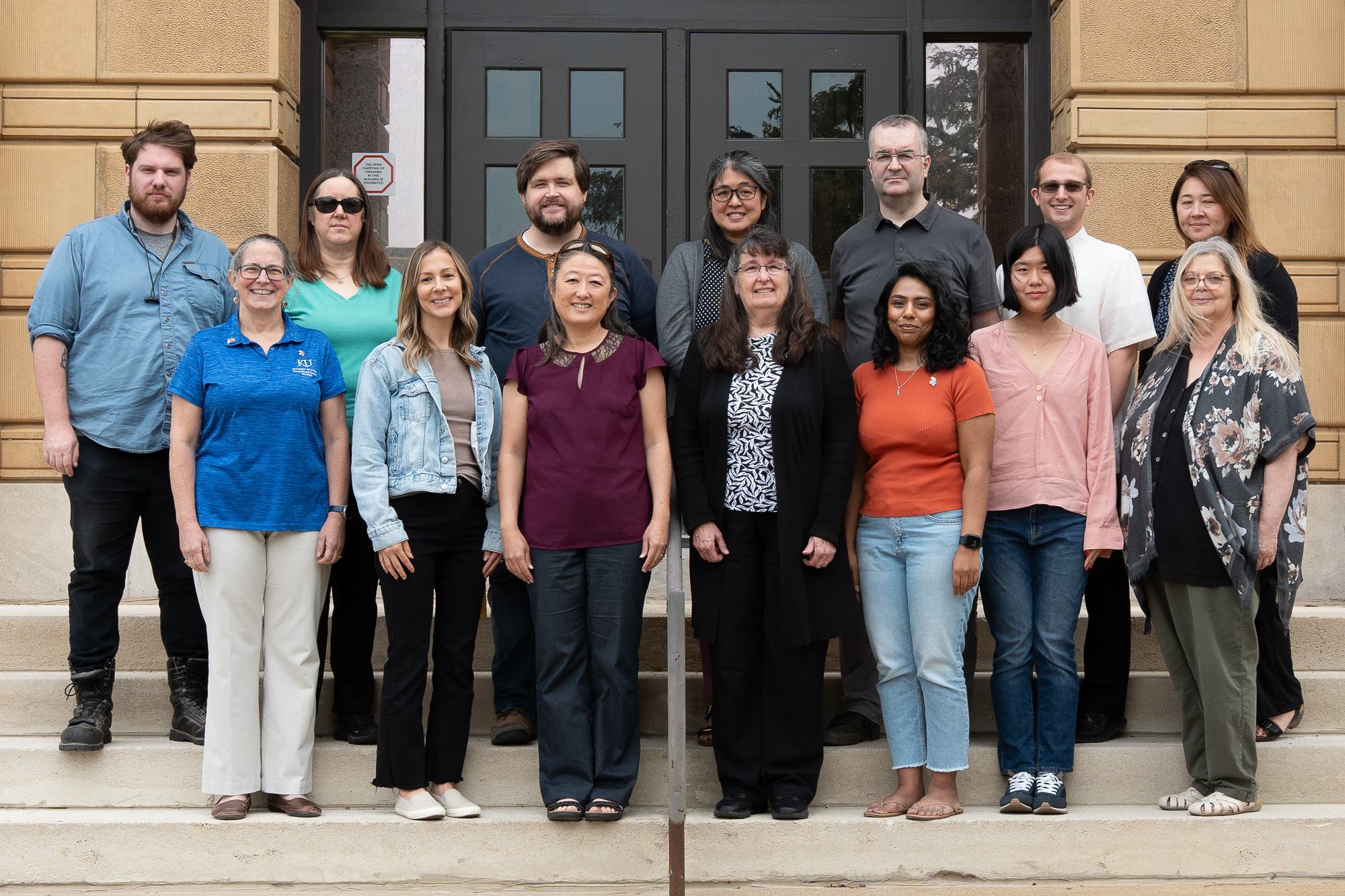
In the spring of 2025, KU’s International Support Services (ISS) office saw change after change being made to immigration rules. Federal policies, which had not shifted for years, swept in like a landslide. International students—once secure in their academic pursuits—were suddenly thrust into uncertainty.
While a flurry of executive orders in January demonstrated that political winds had changed, the biggest shock came as the U.S. government started terminating SEVIS records, the official data source that reflects international students’ legal status. Without that legal status, the students had no assurance that they would be able to stay in the U.S. and at KU.
“It was unprecedented,” recalled the ISS director, Lynne Vanahill. “They had never terminated records en masse before, and so it led to a lot of uncertainty about what was happening and why and what it meant.”
Without clear legal status to remain, students lost their jobs, some had their visas revoked, and many received emails warning them to leave the country or risk detention. The ISS office, already stretched thin, moved quickly to take on the challenge.
Staff began checking government databases every morning to catch new terminations in order to inform our students. They offered one-on-one meetings, sometimes lasting hours, to help students understand their options. The office also created a network for affected students, recognizing that some wanted privacy while others sought solidarity and support. There was emotional cost as well for the students.
“It freaked them out—the SEVIS terminations understandably induced high levels of stress. Some were scared to leave their apartments out of fear of being detained and/or removed from the country even though we couldn’t find any evidence of any violation of status,” Vanahill said. The staff, too, felt the strain, with drop-in advising sessions increasing by more than double and advisors working overtime to meet the need.
Yet, amid the chaos, the team’s commitment never wavered. “We’re here to serve the students,” said Vanahill. Sometimes the example of the students themselves was inspiring. She points to one graduate student who emerged as a beacon of hope.
Despite this student losing his assistantship and active SEVIS status, he chose to seek legal counsel. In turn, he shared legal resources and optimism with others. His courage inspired both peers and staff, leading to group meetings and a renewed sense of purpose.
“He gave me hope. I distinctly remember feeling inspired to keep going and not give up,” the director reflected.
Eventually, the courts sided with the students, and the government reinstated their records and legal status. But for some, the damage was done—students had left the country, lost internships, or faced ongoing visa denials.
Through it all, the ISS office adapted, learning to be more flexible, resilient, and supportive.
Departments across campus stepped up to support international students as well, and the ISS staff found new ways to care for each other, from gratitude boxes to twice-weekly meetings to share information and encouragement.
Looking back, Vanahill sees lasting change. “It took strong teamwork to get through it,” she said, noting that the experience reinforced the importance of compassion, communication, and a shared mission. “We want every international student here to have a positive intercultural experience. That’s how you make real change—one student at a time.”